


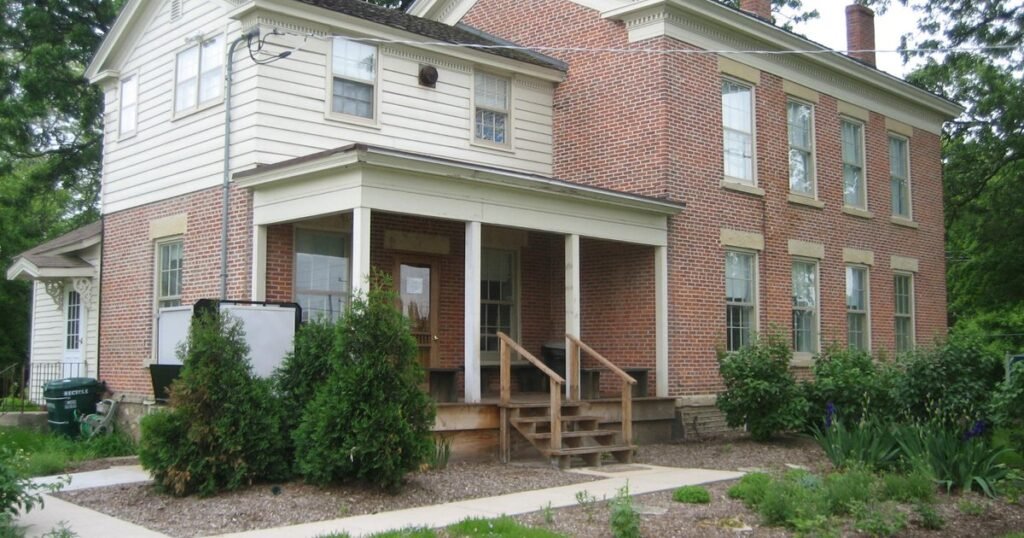
Featured photo: A brick home with a front porch and garden in Crystal Lake, Illinois. Photo: IvoShandor, CC BY-SA 3.0, via Wikimedia Commons.
A mortgage pre-approval is a letter from a lender saying it’s tentatively willing to lend you up to a certain amount, based on your finances. The Consumer Financial Protection Bureau (CFPB) notes that sellers often require one before they’ll accept an offer, which is why I ask every buyer to get one before we tour.
I’m Dana Gallagher, a Broker with Berkshire Hathaway HomeServices Starck Real Estate. I help buyers across the Chicago suburbs and the Northwest Suburbs, and the buyers who start with a solid pre-approval almost always have an easier time. Here’s what it is, what you’ll need and how to use it.
Free neighborhood shortlist
Thinking of buying in the Northwest Suburbs?
Tell me your budget and commute, and I’ll send you a short list of neighborhoods that fit, current homes that match, and the real tax history for any home you like. No pressure, just local answers.
★★★★★ 5.0 on Google (40 reviews) · Dana Gallagher, Broker (SRES®, CBR, CSR, ABR®, SRS®, Certified Luxury Home agent, BHHS Luxury Collection Specialist) · Berkshire Hathaway HomeServices Starck Real Estate
Pre-Approval vs. Prequalification
Lenders use these words differently, and the CFPB says not to worry too much about the label. What matters is what the letter is based on:
- Prequalification is often based on information you report yourself, without the lender checking documents. It’s a rough budget estimate.
- Pre-approval is usually based on verified information, such as pay stubs, bank statements and a credit check.
Neither one is a guaranteed loan offer or a final approval. Final approval comes after you’re under contract, the home appraises and underwriting signs off. Ask your lender exactly what they verified before they wrote your letter.
Why a Pre-Approval Matters When You Buy
- You know your real budget. You’ll see the loan amount, the loan type and an estimated monthly payment before you fall in love with a house.
- Sellers take your offer seriously. A letter from a lender tells the seller you’re likely to get financing.
- You can move quickly. When a well-priced home comes up, you’re ready to write an offer the same day.
- You catch problems early. The CFPB points out that getting pre-approved early can help you spot credit issues while there’s still time to fix them.
What Lenders Usually Ask For
Every lender has its own list, but expect to provide:
- Photo ID and your Social Security number for the credit check.
- Recent pay stubs and W-2s; many lenders ask for two years of W-2s.
- Federal tax returns, especially if you’re self-employed or earn commission.
- Recent bank and investment statements showing your down payment and closing funds.
- A list of monthly debts, such as car loans, student loans and credit cards.
- Gift letters if family is helping with the down payment.
The CFPB suggests asking early what documents your lender will need, since some can take time to gather.
How Long Does a Pre-Approval Last?
The CFPB says pre-approval letters often expire, typically in 30 to 60 days. Some lenders, like Chase, say 60 to 90 days. If your search takes longer, your lender can update the letter with new pay stubs and statements.
How Credit and Debt Affect Your Pre-Approval
Lenders look closely at your credit history and your debt-to-income ratio (DTI), which compares your monthly debts to your gross monthly income. The CFPB explains DTI at consumerfinance.gov, and your lender will tell you the limits for your loan type.
A few tips while you’re shopping:
- Don’t open new credit cards or finance a car until after closing.
- Don’t change jobs without talking to your lender first.
- Keep large deposits documented, so they’re easy to explain.
Shop More Than One Lender
The CFPB recommends getting pre-approvals from at least three lenders. When you do it within a short time, there should be no major impact on your credit score. Comparing offers can save you money on the rate and fees.
Where Mortgage Rates Stand
Freddie Mac’s 30-year fixed average was 7.11% for the week of November 12, 2026, down from 7.18% the week before. A year earlier it was 6.24%. Your rate depends on your credit, down payment and loan type, so your pre-approval will show your own estimate. I keep an eye on rates in my fall 2026 mortgage rate update.
Turn Your Pre-Approval Into a Budget
The top number on your letter isn’t always the number you should spend. Add up the full monthly payment, including property taxes, insurance and any HOA dues. My post on how much you need to make to buy a home in the Chicago suburbs walks through the math county by county.
Putting down less than 20%? Read what PMI is and how to avoid or remove it, and look at first-time homebuyer programs in Illinois for down payment help.
Your letter covers the loan, not the cash you need at closing. Set money aside for the inspection, appraisal, title and attorney fees too. My buyer closing costs guide for Illinois lists what to expect.
Not sure where to shop yet? Start with my local pages for Huntley, Crystal Lake and Algonquin, or my guide to the best Chicago suburbs near Metra if you commute by train.
Selling and Buying at the Same Time
If you own a home now, your lender will want to know whether you’ll sell first. Start with a free home value report so you know your likely equity, and read should you sell before or after you buy.
Watch: Why Pre-Approval Comes First
How I Help Once You’re Pre-Approved
- I’ll send you homes that fit your budget and monthly payment, not just the top number.
- I’ll pull the last tax bill and HOA details for any home you like.
- When you’re ready to write an offer, I’ll attach your letter and talk with your lender about timing.
Avoid the other common slip-ups with my guide to the top home buying mistakes and how to avoid them.
FAQs About Mortgage Pre-Approval
What is a mortgage pre-approval?
A letter from a lender saying it’s tentatively willing to lend you up to a certain amount, usually based on verified income, assets and credit. It isn’t a guaranteed loan offer.
What is the difference between prequalification and pre-approval?
Lenders use the terms differently. Prequalification is often based on information you report; pre-approval is usually based on verified documents and a credit check. Ask your lender what they verified.
How long does a pre-approval last?
The CFPB says letters typically expire in 30 to 60 days. Some lenders use 60 to 90 days. Your lender can update it.
Does getting pre-approved hurt my credit?
Lenders usually check your credit. The CFPB says getting several pre-approvals within a short time should have no major impact on your score.
What documents do I need to get pre-approved?
Usually ID, recent pay stubs, W-2s, tax returns, bank statements and a list of debts. Lenders may ask for more.
Should I get pre-approved before I look at homes?
Yes. Sellers often want a pre-approval letter with your offer, and it helps you set a realistic budget before you tour.
Ready to Get Started?
Call or text me at 224-858-0022, email mybrokerdana@gmail.com, or contact me here, and I’ll share a few local lenders you can compare.
Last updated October 2026. Rates and lender rules change often.
Free neighborhood shortlist
Thinking of buying in the Northwest Suburbs?
Tell me your budget and commute, and I’ll send you a short list of neighborhoods that fit, current homes that match, and the real tax history for any home you like. No pressure, just local answers.
★★★★★ 5.0 on Google (40 reviews) · Dana Gallagher, Broker (SRES®, CBR, CSR, ABR®, SRS®, Certified Luxury Home agent, BHHS Luxury Collection Specialist) · Berkshire Hathaway HomeServices Starck Real Estate